How to Install Starlink on a Farm or Ranch
By InstallPros Team · July 19, 2026 · 7 min read
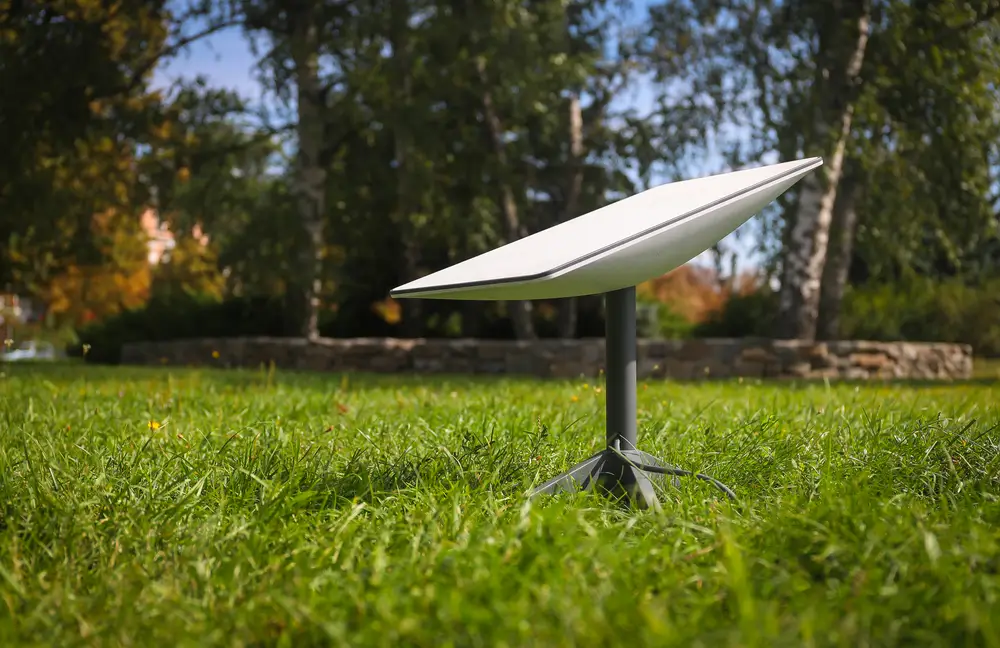
If you are researching how to install Starlink for farm use, the first thing to understand is that a good rural installation is more than setting the dish on the nearest roof. Farms and ranches have long driveways, metal buildings, tree lines, grain bins, livestock areas, and equipment yards that can all affect signal, cable routing, and Wi-Fi coverage. Starlink can be an excellent fit for rural properties because it does not rely on buried fiber, DSL lines, or nearby cell towers, but the system still needs a clear view of the sky and a clean installation plan. The best results come from choosing the right mounting location, protecting the cable from weather and animals, and placing the router where it can serve the house, office, shop, or barn. This guide walks through what we look for on real farm installs and how to avoid the common mistakes that cause drops, weak Wi-Fi, and service calls later.
How to Install Starlink for Farm Properties the Right Way
The right Starlink location on a farm is usually the highest practical spot with the fewest obstructions, not simply the most convenient spot. We start by checking the sky view in every direction the dish needs, including over tree rows, silos, barns, and nearby ridgelines. A few branches may not look like much from the ground, but they can cause short outages when the dish tracks satellites.
Common farm mounting options include a house roof, shop roof, pole mount, gable mount, or tower-style structure. The best choice depends on where the clear sky is and where the cable can be routed safely. Metal roofs and steep roofs can work well, but they need the correct flashing, sealant, and attachment method.
A proper farm install should account for wind, snow, ice, and vibration. Open properties can take stronger gusts than wooded residential lots. A temporary stand on the ground may work for testing, but it is not a long-term solution around mowers, animals, drifting snow, and farm traffic.
Picking the Best Dish Location on a Farm or Ranch
On farms, the best dish location is often a compromise between clear sky, building access, and cable distance. A farmhouse roof may have easy access to power and the main router, but a nearby tree line can block part of the view. A machine shed may have a cleaner view, but it may not be the best place for the router if the internet is needed mainly in the home office.
Before mounting, check for seasonal changes. Bare winter trees can look harmless, then become a problem when leaves return. Grain legs, windmills, tall equipment, and new construction can also create blockage if the dish is mounted too low. We also look at snow slide areas on metal roofs so the dish and cable are not hit by sheets of ice.
For ranches and larger acreage, a pole mount can be the cleanest option when the buildings are surrounded by trees or when the roof is not safe to access. The pole needs to be rigid, plumb, and located where equipment will not strike it.
Cable Routing, Weather Protection, and Animal Damage
Good cable routing is one of the biggest differences between a quick setup and a dependable farm installation. Starlink cable should not be left loose across a yard, draped over sharp metal edges, or run where cattle, horses, dogs, rodents, or equipment can damage it. Once the cable is cut or crushed, the system can become unreliable or stop working completely.
We route cable with drip loops, proper clips, and protected entry points. Any wall penetration should be sealed to keep out water, insects, and cold air. On metal buildings, cable needs protection from abrasion where it passes near ribs, trim, or siding edges. In high-traffic areas, conduit may be the better option.
Farm installs also need to consider grounding and surge exposure. Open rural properties are more exposed to lightning and electrical events than many suburban homes. Starlink equipment should be installed according to the manufacturer’s requirements and local code, and any added network hardware should be protected as part of the overall system.
Getting Wi-Fi to the House, Shop, Barn, and Office
Starlink brings the internet connection to the property, but Wi-Fi planning determines how useful it is across the farm. A single router may cover a small farmhouse well, but it usually will not cover a detached shop, calving barn, office trailer, or camera location across the yard. Metal siding, concrete, insulation, and equipment all reduce Wi-Fi range.
Start by deciding where internet is actually needed. Many farms need reliable service in the house, bookkeeping office, repair shop, and one or two work areas. Others need coverage for security cameras, livestock monitoring, irrigation controls, scales, or point-of-sale systems at a farm store.
Depending on the layout, the solution may be a mesh system, wired Ethernet runs, outdoor access points, or a point-to-point wireless bridge between buildings. For business-critical farm operations, we prefer hardwired or properly mounted outdoor network gear over hoping a router inside one metal building will reach another. The Starlink dish location and the network design should be planned together.
Common Farm Starlink Installation Mistakes to Avoid
The most common mistake is installing the dish where it is easy instead of where it has the best view. A dish mounted under a roof edge, beside a tree, or near a tall silo may connect at first but still suffer from brief interruptions. Those interruptions are especially noticeable during video calls, remote monitoring, and cloud-based farm software.
Another mistake is leaving the cable exposed. Cables across gravel drives, along fence lines, or through barn gaps do not last long on working properties. They get chewed, pinched, pulled, or damaged by weather. Cable protection should be part of the install from the start, not an afterthought.
Finally, many farm owners underestimate Wi-Fi needs. Starlink may be working perfectly at the router, while the shop still has weak signal because it is 150 feet away through metal walls. If you need internet beyond the farmhouse, plan the network like farm infrastructure. InstallPros handles farm and ranch Starlink
Frequently Asked Questions
Is Starlink good for farms and ranches?
Yes, Starlink is often a strong option for farms and ranches where cable, fiber, or reliable cellular internet is not available. It can support everyday uses like email, accounting, video calls, cameras, equipment updates, and streaming. The key is installation quality. The dish needs a clear sky view, a stable mount, and protected cable routing. For larger properties, you may also need additional networking equipment to extend service to shops, barns, offices, or camera locations.
Where should Starlink be installed on a farm?
The best location is the spot with the clearest sky view and a safe path for the cable to reach the router or network equipment. This may be a farmhouse roof, shop roof, gable, pole mount, or another structure with fewer obstructions. Avoid areas blocked by trees, silos, grain bins, roof overhangs, or tall equipment. On working farms, the dish should also be placed where it will not be hit by machinery, animals, sliding snow, or falling branches.
Can Starlink Wi-Fi reach my barn or shop?
Sometimes, but not always with the standard router alone. Distance, metal siding, concrete walls, and equipment can sharply reduce Wi-Fi range. If the barn or shop is close and has a clear path, a mesh node may help. For more dependable coverage between buildings, outdoor access points, Ethernet, or point-to-point wireless bridges are usually better. The right setup depends on the distance, building materials, and whether the connection is needed for casual use or farm operations.
Do I need a pole mount for Starlink on rural property?
You do not always need a pole mount, but it can be the best choice when roofs are blocked by trees, unsafe to access, too low, or poorly positioned. A pole mount can place the dish in a cleaner sky location and keep it away from roof hazards. The pole must be stable, straight, and protected from vehicles and livestock. It also needs a practical cable route back to the router or network cabinet.
Should I hire a professional to install Starlink on a farm?
A professional install is a good idea if the dish needs roof work, a pole mount, long cable routing, wall penetrations, conduit, or coverage across multiple buildings. Farms have more installation variables than a typical home, including animals, machinery, weather exposure, and large metal structures. A good installer will find the best sky view, secure the mount, protect the cable, and help plan Wi-Fi where the property actually needs it.