How to Mount Starlink Without Drilling Into Your Roof
By InstallPros Team · July 15, 2026 · 3 min read
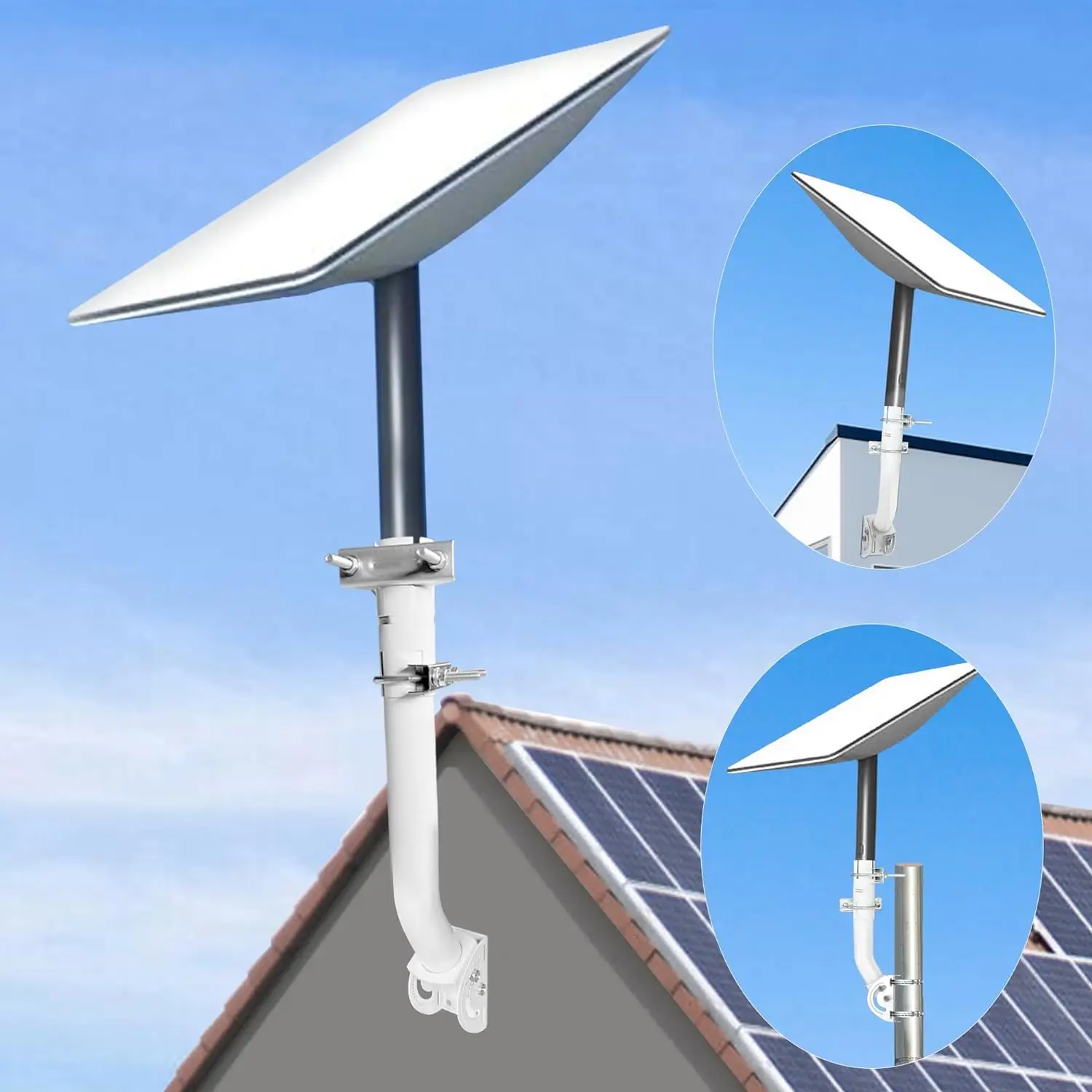
To mount Starlink without drilling, use a non-penetrating ballast base weighted with concrete pavers, a chimney strap mount, a fascia or eave clamp, or a freestanding ground pole. All four preserve your roof warranty and work in high wind when properly weighted.
Non-Penetrating Ballast Base
The most popular no-drill option. A wide steel base holds a vertical pipe; you weight the base with 4–8 concrete pavers (60–120 lbs total) sitting flat on the roof. Rated to 90+ mph winds when correctly ballasted. Best for flat roofs and low-slope commercial buildings.
Chimney Strap Mount
Stainless steel bands wrap the chimney (no drilling), clamping a J-pipe that holds the dish. Only works on structurally sound chimneys — inspect mortar and bricks first.
Fascia/Eave Clamp Mount
Clamps to the fascia board or gutter fascia without penetration. Best for a low, single-story roofline where the fascia is thick and solid. Verify no rot before installing.
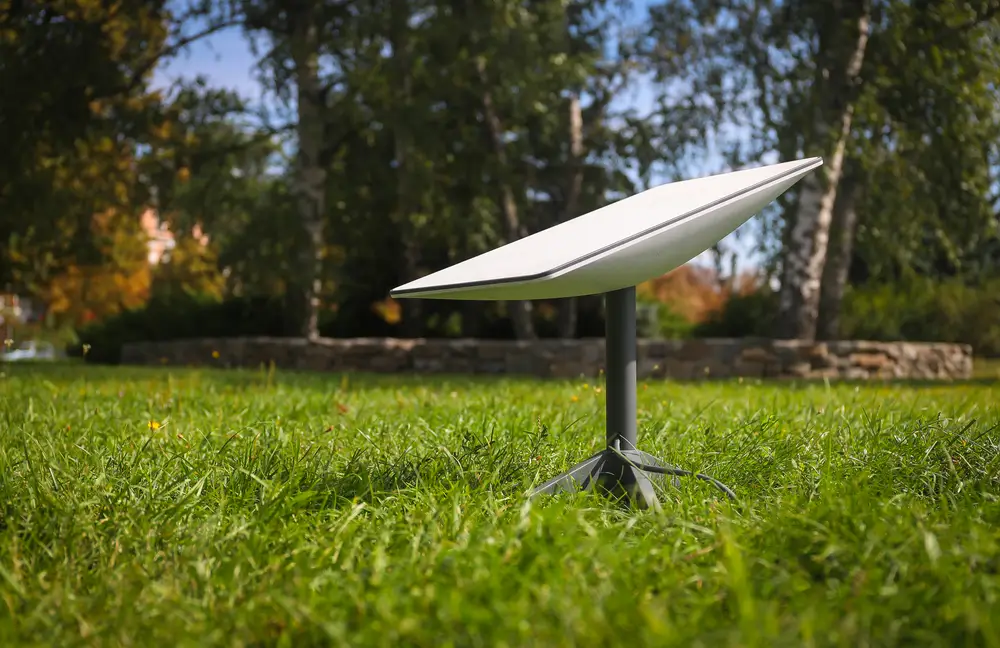
Freestanding Ground Pole
Set a 10–20ft pole in concrete on the ground, then run cable to your house. Zero roof contact. Best if you have a clear sky view from ground level (no trees within 30ft).
Frequently Asked Questions
Is a no-drill mount really as strong as a drilled one?
Yes, when properly ballasted or clamped. Non-penetrating mounts are rated for 90+ mph.
Will ballast damage my roof?
Use rubber pads under pavers to protect the membrane. On shingle roofs, spread the weight.
Does no-drill work on a steep pitched roof?
Not well — ballast mounts need low slope. Use a chimney or fascia clamp instead.
What about tile or slate roofs?
Non-penetrating is strongly preferred. Drilling tile risks cracking.
Can I DIY a no-drill install?
The ballast method is DIY-friendly if you can safely get pavers on the roof. Otherwise hire a pro.
Ready to install? InstallPros offers professional Starlink installation nationwide. Get your instant quote →