How to Safeguard Your Home with Surge Protection: A Step-by-Step Guide
November 10, 2025 · 3 min read
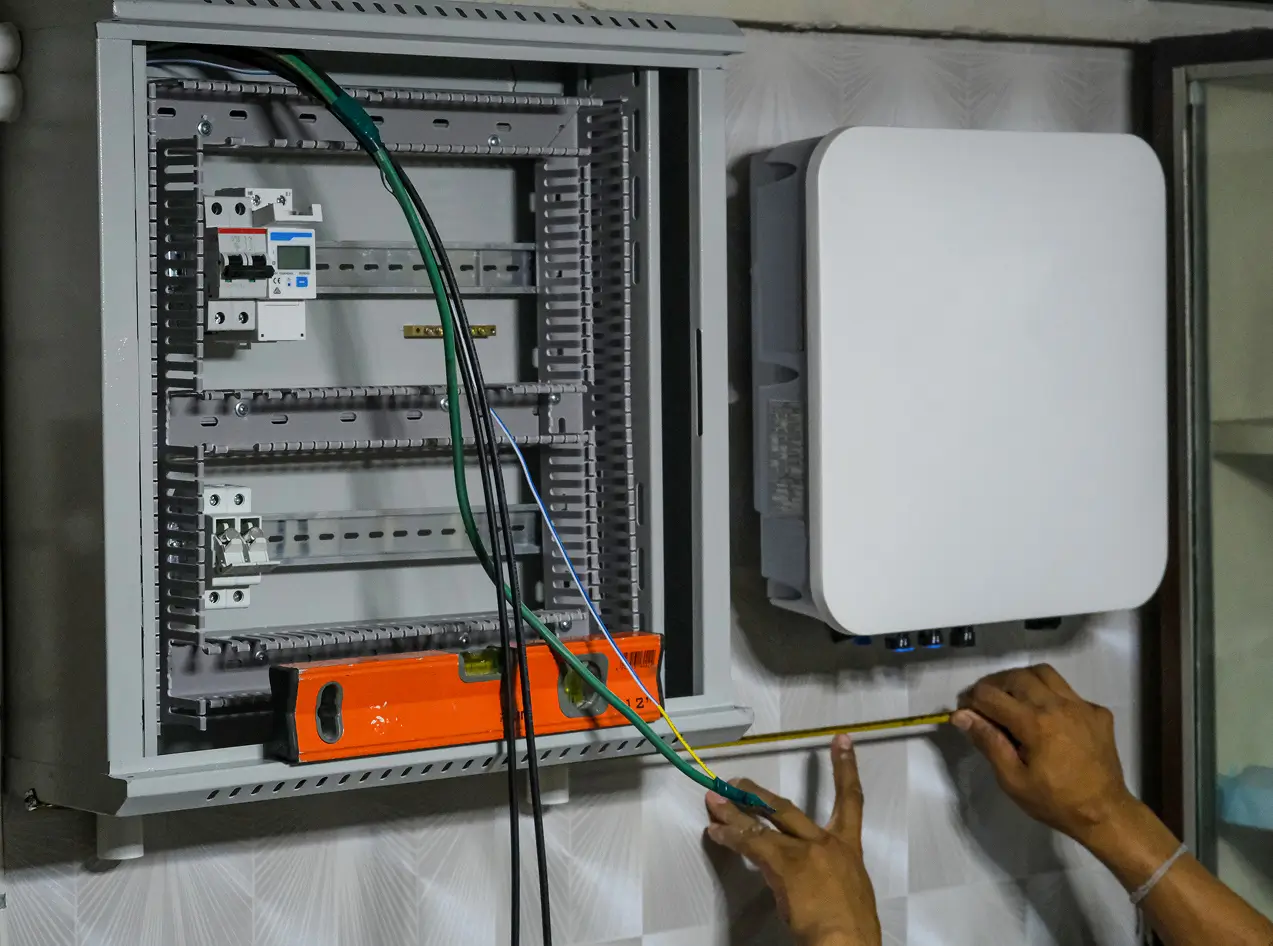
Power surges strike without warning, leaving your home's electrical system vulnerable. You can't afford to wait for a costly repair or damaged devices. This guide shows you how to install surge protectors and secure your entire home with the best surge protection systems for lasting home electrical safety. Learn more about professional installation options at Hire our professional installation experts today.
Understanding Home Surge Protection
What Causes Power Surges?
Power surges happen more often than you might think. Lightning strikes are dramatic causes, but most surges come from everyday sources like large appliances cycling on and off, utility company grid switches, or damaged power lines. Each small surge gradually weakens your electronics until they fail completely.
Levels of Surge Protection
Proper surge protection works in layers:
-
Level 1: Whole home surge protection at your electrical panel
-
Level 2: Surge protection power strips for valuable electronics
-
Level 3: Individual plug-in protectors for specific devices
Installing Whole Home Surge Protection
What You'll Need
-
Whole house surge protector (rated for at least 40,000 amps)
-
Circuit breaker (if not included with surge protector)
-
Screwdriver set
-
Wire strippers
-
Voltage tester
-
Electrical tape
Safety First
Before starting any electrical work:
-
Turn off the main power at your breaker box
-
Verify power is off with a voltage tester
-
Wear insulated gloves if available
Installation Steps
-
Select the right location: Mount the surge protector near your main electrical panel. The unit should be easily accessible but protected from weather.
-
Turn off main power: Locate your home's main circuit breaker and switch it to the OFF position. Always confirm power is off using a voltage tester.
-
Remove panel cover: Carefully unscrew and remove the cover to your electrical panel. Keep all screws in a safe place.
-
Install the new breaker: Most whole home surge protectors require a dedicated 15-20 amp double-pole circuit breaker. Insert it into available slots in your panel.
-
Connect the surge protector: Follow manufacturer instructions to connect the surge protector to the new breaker. This typically involves connecting hot wires to the breaker and a ground wire to the ground bus.
-
Secure all connections: Make sure all wire connections are tight and secure.
-
Replace panel cover: Reattach the panel cover and secure all screws.
-
Restore power: Turn the main breaker back on and check that the surge protector indicator lights show it's working properly.
Setting Up Secondary Surge Protection
Choosing the Best Surge Protectors
For effective second-level protection, look for surge protection power strips with:
-
Joule rating of at least 2,000 (higher is better)
-
UL 1449 certification
-
Clamping voltage under 400V
-
Response time under 1 nanosecond
-
Warranty that covers connected equipment
Strategic Placement
Place surge protection power strips to protect:
-
Entertainment centers (TVs, gaming consoles)
-
Computer equipment
-
Kitchen appliances
-
Home office equipment
Maintaining Your Surge Protection System
Regular Checks
-
Inspect indicator lights monthly on your whole home surge protector
-
Replace any surge protectors that have taken hits (many have lights that indicate they need replacement)
-
Test your system after major storms
When to Call a Professional
While DIY installation is possible for many homeowners, consider calling a licensed electrician if:
-
Your electrical panel is outdated
-
You're uncomfortable working with electricity
-
Your home has aluminum wiring
-
Your panel is full with no available breaker spaces
Benefits of Complete Surge Protection
A properly installed surge protection system:
-
Extends the life of expensive electronics and appliances
-
Prevents data loss on computers
-
Reduces fire hazards from electrical malfunctions
-
May lower insurance premiums
-
Provides peace of mind during storms
Home electrical safety starts with proper surge protection. By following this guide, you've taken an important step toward protecting your home from unexpected electrical damage.
Professional Installation Options
If you prefer professional installation, look for licensed electricians who specialize in residential electrical systems. Many offer same-day service and warranties on both parts and labor.
Remember that proper surge protection is an investment that pays for itself by protecting thousands of dollars worth of electronics and appliances in your home.